About us
The Institute for Research on Mesophotic and Deep-Sea Ecosystems (IREMP), founded on February 16, 2024, aims to work towards and collect data to improve our understanding of mesophotic and deep-sea ecosystems. IREM implements committed and innovative projects based on three pillars: mesophotic, extreme, and isolated.
Through our expertise combining diving and theoretical & practical knowledge, we wish to actively participate in the collection of data on these environments and share our work.

Our Methodology
Extreme
Our determination and specific skills allow us to adapt to all diving conditions in order to successfully complete our research.
Our determination and specific skills allow us to adapt to all diving conditions in order to successfully complete our research.
Mesophotic
Understanding Deep Ecosystems to better protect them
Our diving area is focused between 30 and 150 meters, where light is scarce but where organisms still hold many surprises for us.
Isolated
Our diving area is focused between 30 and 150 meters, where light is scarce but where organisms still hold many surprises for us.
Our fieldwork leads us to explore remote places such as uninhabited atolls within French Polynesia.
The permanent team

Dr. Clémentine SEGUIGNE -PhD
Shark Program Manager & Scientific Lead
Researcher specialized in shark conservation
PhD from École Pratique des Hautes Études
Ecological, economic, and socio-anthropological approach to shark conservation in coral reef ecosystems
Professional rebreather diver CAH-3B / DPP4
Certified for underwater work using JJ-CCR rebreather (0–100m)
Marine conservation researcher leading programs focused on shark ecology and conservation in French Polynesia. Her work investigates shark movements, habitat use, and ecological roles to support evidence-based management strategies. She also coordinates exploration programs on mesophotic reefs to advance knowledge of these ecosystems. In parallel, she develops participatory science initiatives that integrate traditional ecological knowledge from local communities and field-based observations from ocean users into scientific research.
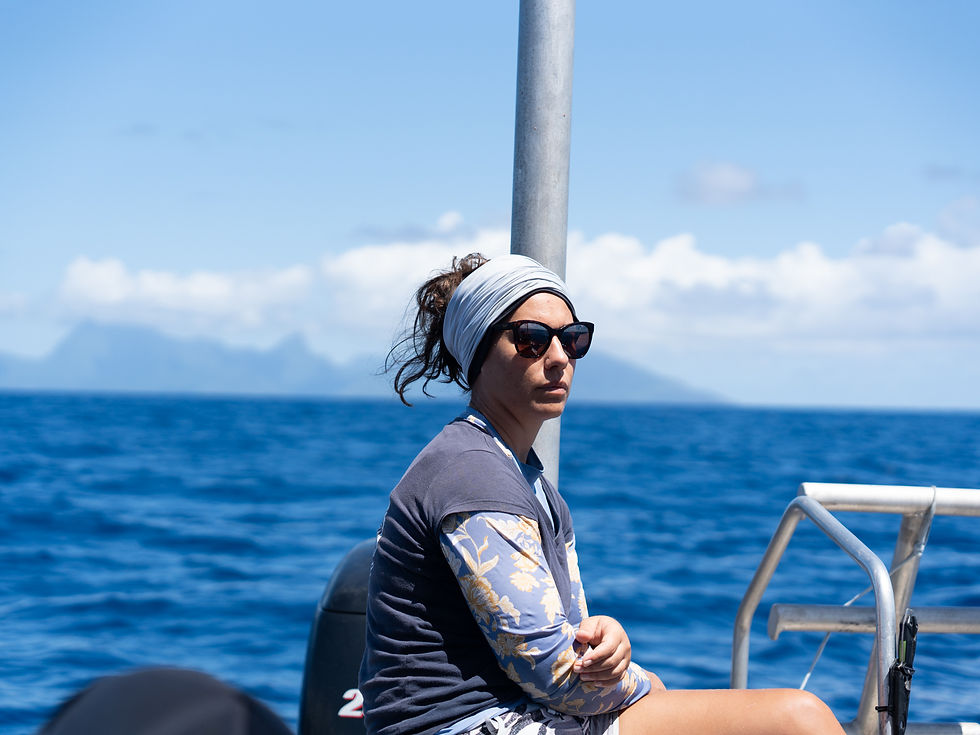
Dr. Julie GRALL -PhD
Head of Hyperbaric Operations
Doctorate in Pharmacy
Humanitarian mission experience with the Atlantic–Littoral regional branch of the Agence nationale pour la transfusion sanguine du Bénin
Professional diver CAH 3B
Certified for underwater work using JJ-CCR rebreather (0–100m)
Julie Grall is Head of Hyperbaric Operations and a qualified pharmacist, with a strong interest in deep diving physiology. She oversees the medical and safety aspects of underwater activities, particularly in professional and technical diving contexts. Her expertise contributes to improving diver safety and strengthening risk prevention and management protocols in hyperbaric environments, in connection with both scientific and operational projects.
Dr. Chloé PUPIER - PhD
Researcher specialized in octocoral ecology
PhD from Sorbonne Université
Nutritional ecology of Red Sea soft corals
Professional diver CAH 1B
Chloé Pupier is a marine ecology researcher specializing in octocorals, particularly soft corals. Her work focuses on the nutritional ecology of these organisms and their role in reef ecosystem functioning. She conducts research aimed at better understanding the distribution, diversity, and environmental factors shaping octocoral communities, especially in still understudied habitats. Her approach combines field observations with scientific methods adapted to reef environments.
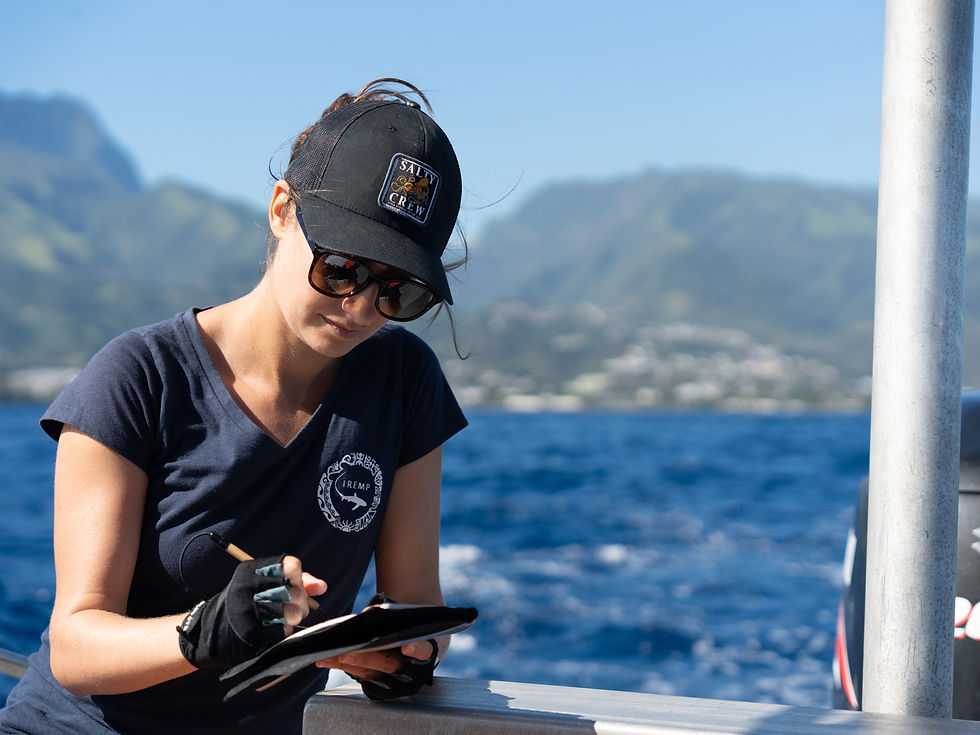
Temehani Chand
Research Technician
Holder of the BPP GAPPN certification
Temehani Chand is a research technician involved in the operational implementation of field-based scientific projects. A native of French Polynesia, he has an in-depth understanding of the local marine environment and its uses, built through extensive hands-on experience in reef ecosystems. He contributes to data collection, mission logistics, and the strict application of scientific protocols, playing a key role in ensuring the quality and relevance of research conducted in the region.

Other members
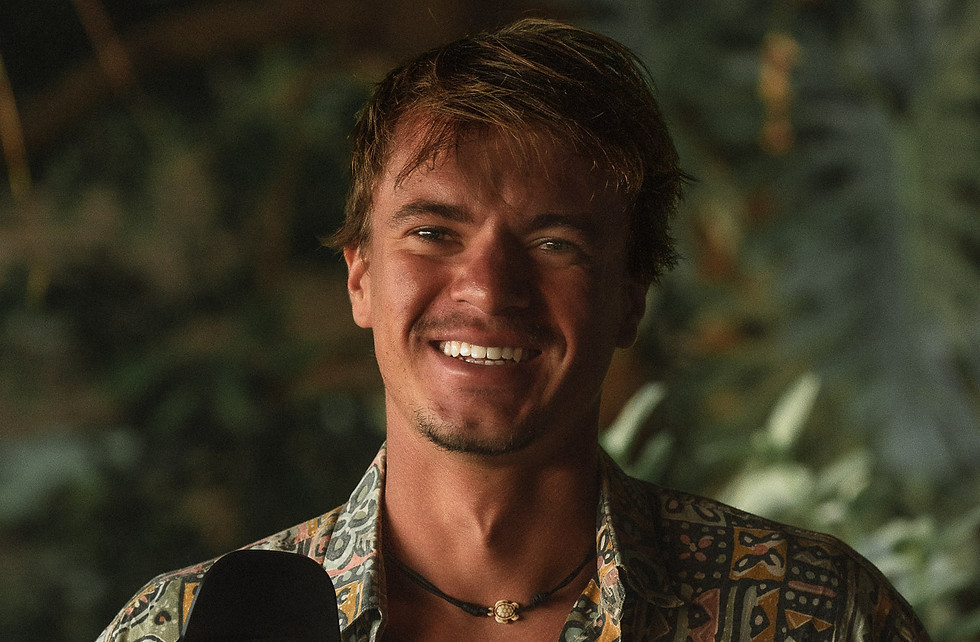
Théo GUILLAUME
Through his eyes as a biologist and photographer, he reveals underwater life and documents the institute's missions as close as possible to the field.
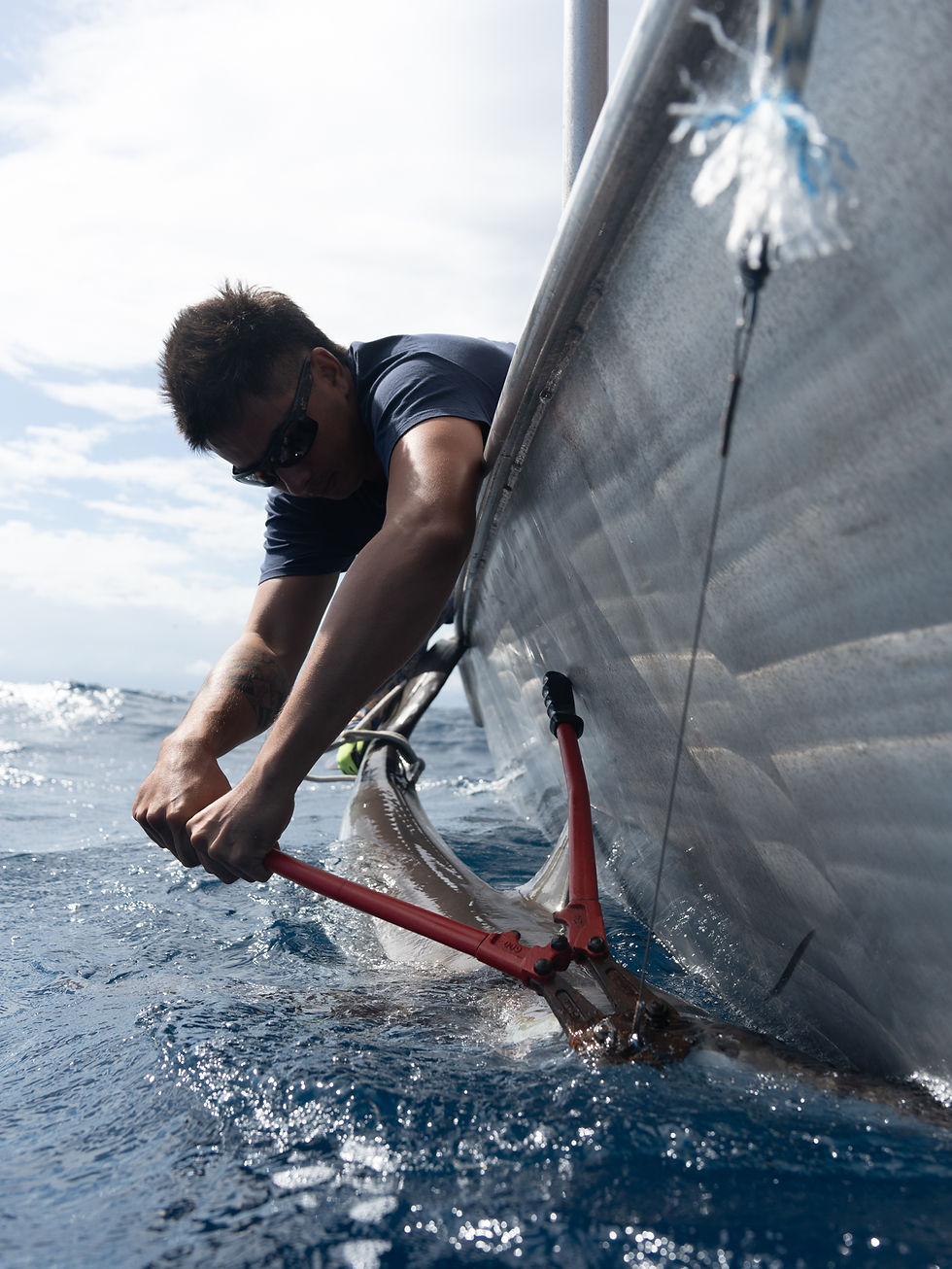
Keanu Robert
Thanks to his experience as a lagoon pilot, he ensures the mastery and precision of the boats during our missions at sea.

Chloé DESLIE
Her infectious energy and kindness make her a passionate mediator, capable of passing on to younger generations a taste for the sea and discovery.
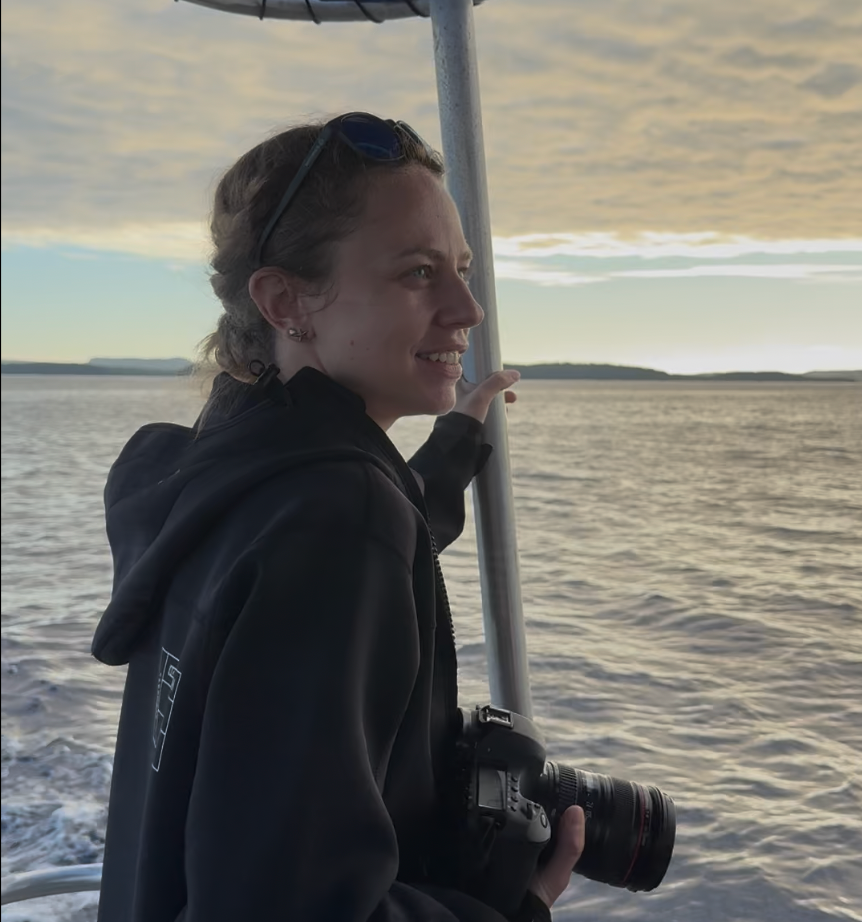
Catherine ROY
Leveraging her expertise in communication and digital tools, she promotes and shares the progress of our projects with a wider audience.
Our papers
Sharks

Shark ecology, conservation, and management
• Knowledge, perception and ownership by local stakeholders among the world’s largest shark sanctuary a decade after its inception
Comportement, cognition & interactions Homme-Requin
• Increase of coastal shark bite frequency linked to the COVID-19 lockdown reveals a territoriality-dominance behaviour toward humans.
• Evidence of long-lasting memory of a free-ranging top marine predator, the bull shark Carcharhinus leucas
Corals
